Why do pores look bigger as you get older?
A pore is the opening of a hair follicle, and every follicle has one. What changes is how noticeable it looks. A 2025 research article in Toxins names three main contributors: heavy oil production, less elasticity around the pore, and a thick, visible hair shaft.

The same article notes that sun exposure leading to photoaging can make enlarged pores worse. One caution: this comes from the background section of a procedure study, not from its results. It is a useful overview, not proof that any single habit works.
Can any routine make pores look smaller for good?
No. Nothing you apply will permanently shrink pores, and be wary of anyone who says otherwise. What you can do is soften how obvious they look, mostly by managing oil, protecting skin from the sun, and keeping the surface clear.
A 2025 study in the Journal of Cosmetic Dermatology, done in people with acne, reports that oil secretion and pore size rise together. That fits what many people notice: pores look larger on oilier days. The study was a procedure trial in acne patients, so it may not describe every skin type.
Which habits and treatments are worth knowing about?
Think of it as a ladder. Daily habits come first, then products you apply, and procedures sit in a separate category that belongs to a dermatologist. This table compares what to expect from each.
| Approach | What to expect | Watch for |
|---|---|---|
| Gentle daily cleansing | Clears oil, sunscreen, and buildup from the surface | Harsh washing can leave skin tight and irritated |
| Daily sun protection | Addresses one factor tied to enlarged pores | Needs consistent use |
| Topical retinoids | The same study notes retinoic acid can clear keratin plugs | It may cause contact dermatitis |
| In-office procedures | A different category with its own risks | Ask a dermatologist |
The retinoid row comes from a background statement in the Journal of Cosmetic Dermatology study, not its findings. If you are curious, our guide to a non-stripping Korean routine for oily skin shows how the pieces can fit together.
What should a cleanser actually do for pores?
A cleanser removes what sits on the surface: oil, sunscreen, and daily grime. That can make skin look clearer, but it does not treat pore size or acne. We cover the details in what to look for in a cleanser for clogged-looking pores.

Look for one that rinses clean and leaves skin comfortable, not tight. A tight feeling after washing is a sign to ease off. Stripped skin often responds with more oil and more irritation.
Where does our cleanser fit in?
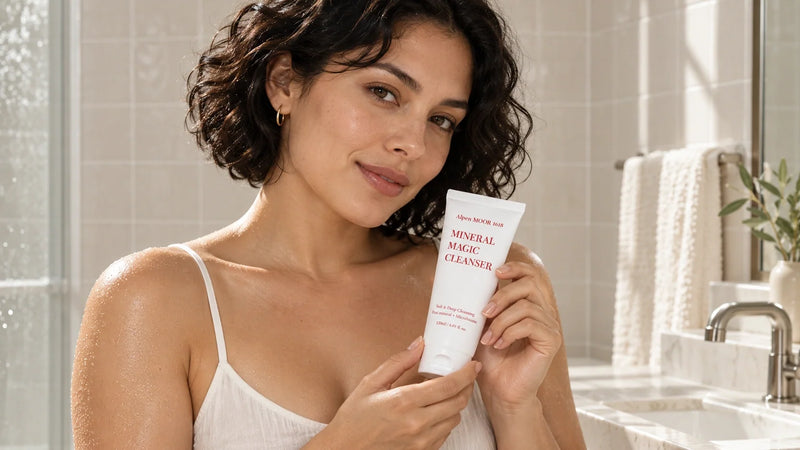
If you want a daily wash for oily or blemish-prone skin, Mineral Magic Cleanser is one option. It combines Fine Moor Powder in a cream-to-foam formula that builds a cushiony lather, helps remove sunscreen and excess oil, and rinses clean without a sticky or slippery residue. It is meant to leave skin comfortable, not stripped.
It does contain salicylic acid, which helps clear surface residue. If your skin is stinging or peeling right now, a simpler cleanser without acids may suit you better. And it will not change pore size. For more options, browse our large pores collection.
How do you judge what is worth keeping?
Keep what leaves your skin comfortable and drop what leaves it raw. Give any change time, and take photos in the same light so you can compare fairly.
If you want to go beyond daily habits, a dermatologist can look at your skin and suggest what fits, including whether a retinoid makes sense.
FAQ
Can pores actually close?
Pores are natural openings, so they do not close the way a cut does. What changes from day to day is how visible they look, which depends on oil, buildup, and the surrounding skin.
Why do my pores look worse by afternoon?
Oil builds up through the day, and research links oil secretion with pore size. That can make pores stand out more by midday, even if your morning routine was the same.
Is it safe to use a cleanser with salicylic acid every day?
Many people tolerate it, but it depends on your skin. If you notice stinging, dryness, or peeling, pause it and check with a dermatologist, and consider a simpler cleanser without acids.