Why does a night routine matter more than you think?
A 2019 narrative review in the Journal of Clinical and Aesthetic Dermatology reports that repair of UV-damaged skin cell DNA peaks at night, and that moisturizers might offer more benefit in the evening. Limits: it is a narrative review with no original data, much of its evidence is animal or small human studies, and it does not show that product order improves results.
So evening is a sensible time to care for your skin. It is also when you can wash off the day and moisturize. None of this means a longer routine does more.
What is the right order for night skincare?
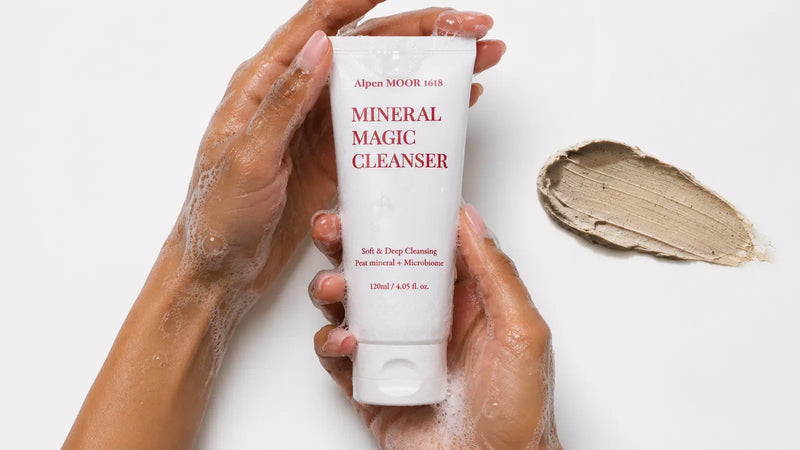
A common order is cleanse, optional toner or mist, an active, then moisturizer. Lighter, water-like steps go first and richer creams go last, so a cream does not get in the way of what follows. How thoroughly to cleanse, and whether to double cleanse, is a separate question. Our guide to is double cleansing necessary covers it.
| Step | Purpose | Can you skip it? |
|---|---|---|
| Cleanse | Washes off the day’s sunscreen, makeup, and sweat | No, keep it, even if it is quick |
| Toner or mist (optional) | Adds a light, water-based layer before richer steps | Yes |
| Active (retinoid, alternate nights) | Supports the look of texture and tone over time | Yes, on off nights or when skin is irritated |
| Moisturizer | Helps hold in moisture and keeps skin comfortable | No, keep it |
If you keep only two steps, keep the cleanse and the moisturizer. The rest depends on your skin and your time.

Where do retinoids and other actives go at night?
A 2020 review in MDPI Pharmaceutics notes that retinoids differ in how well they hold up in light, and that two of them, tretinoin and isotretinoin, are very light-sensitive. That is one common reason retinoids are used in the evening. Limits: the evidence is mostly lab and formulation-level work under specific lamps, so it does not show how any product behaves on skin or that night use improves results.
Whatever retinoid you use, the habits are the same. Start on alternate nights and watch how your skin responds. Do not layer it with another retinoid or with an exfoliating acid, AHA or BHA, on the same night. Wear sunscreen the next morning. If you are pregnant or nursing, ask your doctor before using any retinol product. For what to apply after, see moisturizer after retinol.
How many steps do you actually need at night?
Three or four. Cleanse, moisturize, and add an active or a light mist if you want one. A longer routine is not a better one, because each extra step is another chance to irritate skin, especially when actives are involved.
On a tired night, cleanse and moisturize and stop there. If skin feels tight or stings, drop the active before you drop the moisturizer.

What mistakes undo a good night routine?
Most come down to doing too much. Starting a retinoid every night, stacking it with an acid or a second retinoid, adding steps because a routine looks short, and skipping sunscreen the next morning are the usual ones. Each makes skin less comfortable without making the routine work harder.
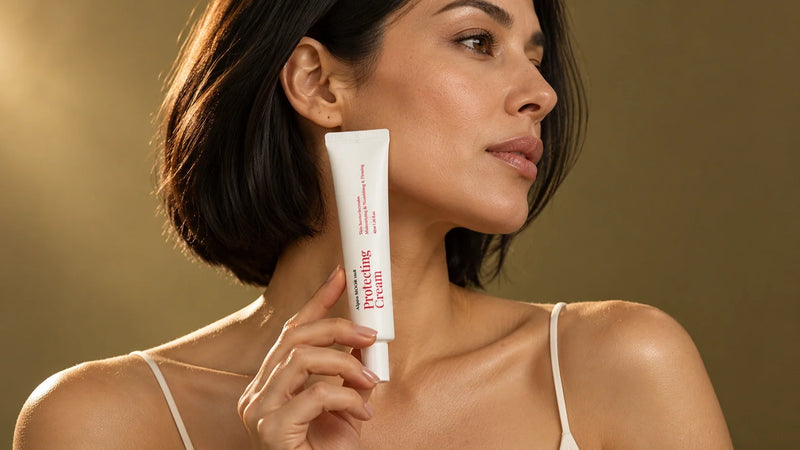
Our Glow Lifting Radiance Cream is a nourishing cream made with collagen, hyaluronic acid, and elastin to help replenish hydration, plus PDRN, collagen, and next-generation retinol to support the look of firmness and elasticity. It absorbs quickly without a greasy or sticky residue.
Because it contains retinol, treat it as your active for the night. Start every other night, keep other retinoids and acids on separate nights, and wear sunscreen the next morning. If tired-looking skin is your concern, see our dullness collection.
FAQ
Do I need a toner or mist at night?
No. It is optional. A light, water-based layer can feel pleasant before a cream, but cleansing and moisturizing do the essential work, so skip it on nights when you are short on time.
What if my skin stings after using an active?
Pause the active for a few nights and use only a gentle cleanse and moisturizer. If the discomfort continues, or you are unsure what is causing it, ask a dermatologist before restarting.
Should my morning and night routines be different?
Usually, yes. Mornings put sunscreen first, while nights are for washing off the day, using any active, and moisturizing. Matching the steps to the time of day keeps each routine short.
Do I add a separate retinoid if my cream already contains retinol?
No. A cream with retinol is both your active and your moisturizer for the night, so adding a second retinoid only raises the chance of irritation. Use one retinol product at a time.